TWISTT-PRIMA surveys farmers on their intention to adopt good agricultural practices in the Kairouan region (Tunisia)

A member of the TWISTT-PRIMA team in Tunisia talks with a farmer (Kairouan region, June 2026).
This field survey was carried out as part of a research thesis by a student from the Higher School of Agriculture of Mograne, in fulfilment of her research master’s degree, and is also part of the TWISTT-PRIMA project, a research project on water and agriculture in the Mediterranean. In Tunisia, the field team is supervised by the National Institute of Agricultural Research of Tunisia (INRAT), which works in close collaboration with the CRDA of Kairouan. The team carried out a field survey with local farmers in the delegation of Chebika, governorate of Kairouan. The aim is to determine the key factors behind the adoption of good agricultural practices to cope with climate change and growing water scarcity.
This is a participatory approach: the team works directly with farmers, on their own land. The survey focuses on three main areas: how farmers currently manage their crops and irrigation, their perception of climate change and its effects on their farms, and how ready they are to adopt good agricultural practices.
The survey also looks at the behavioral, social and economic reasons that encourage or hold back this adoption. To this end, the study draws on the Theory of Planned Behavior, which identifies three main drivers of a farmer’s intention to act: their attitude toward these practices, the influence of the people around them, and the sense of control and ability they have to actually put them into practice.

Discussing farming practices and water needs with a farmer in his olive grove (Chebika delegation, Kairouan).
What the survey explored
During the interviews, the team collected information on:
- Farmers’ intention to adopt good agricultural practices in response to climate change.
- Farmers’ profile: age, education level, farming experience, access to extension services .
- Farm characteristics: crops grown (olive trees, cereals, legumes, forage), farming practices, and level of adoption of good agricultural practices.
- Farmers’ perception of the effects of climate change.

A plot under drip irrigation next to an olive grove, one of the farming systems studied, Chebika delegation, Kairouan region.
Farmers at the heart of the approach
The survey reached 53 farmers across three areas studied in Chebika ( Hamed , Sidi Ali Ben Salem and El Karma ) . This diversity of profiles and farming systems is essential: it makes the survey more representative and helps to better understand the differences in intention to adopt good agricultural practices.
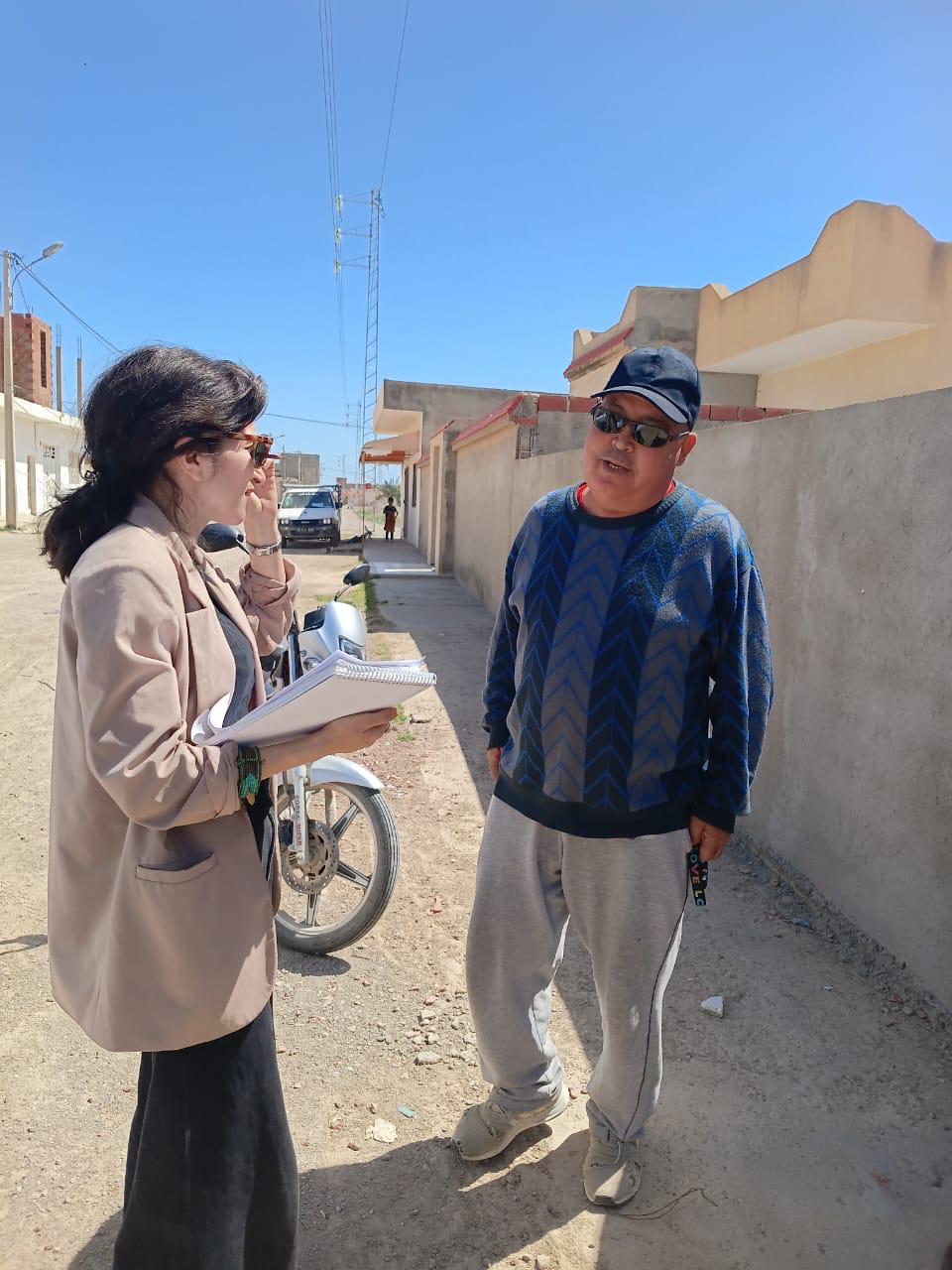
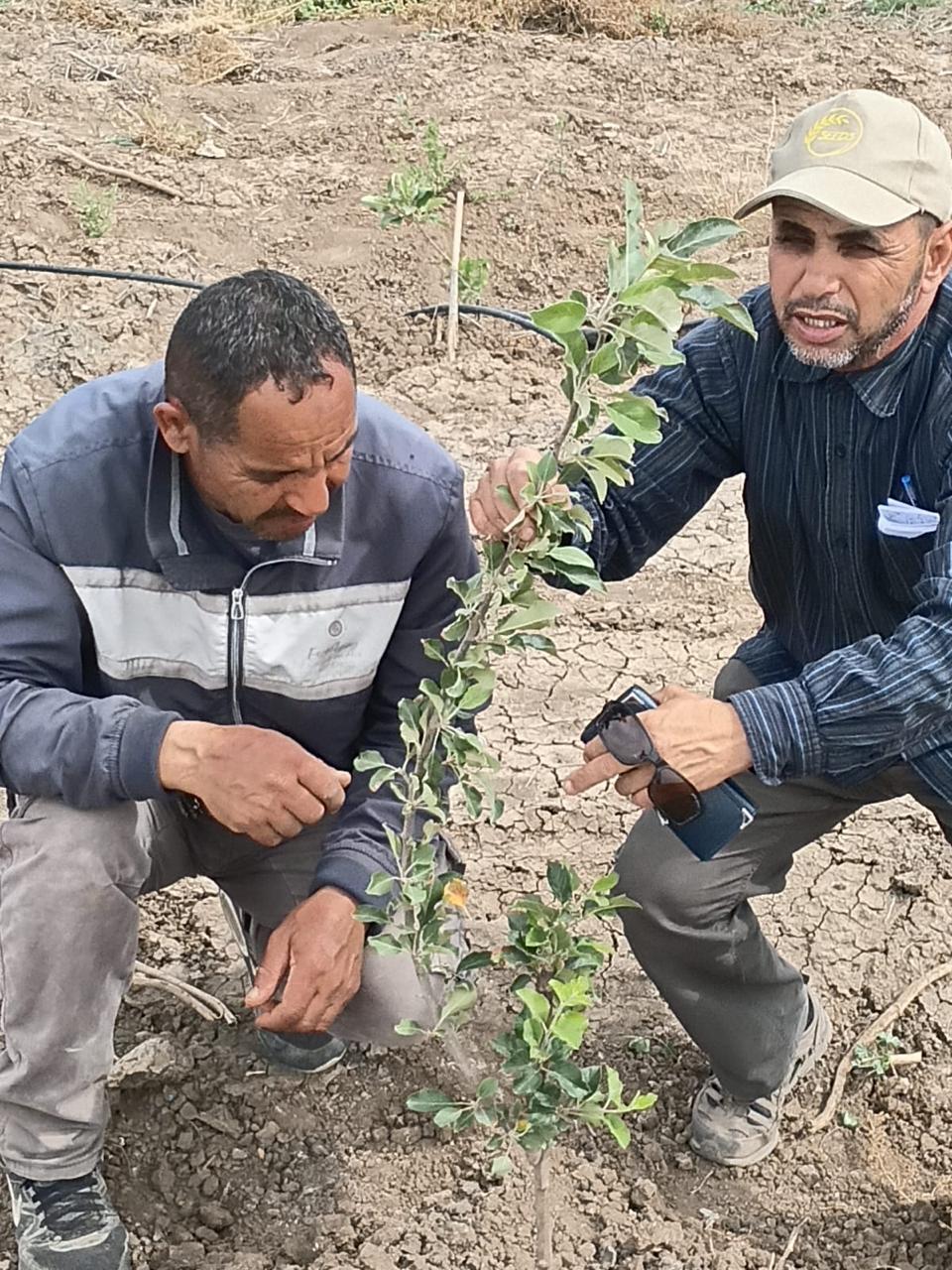
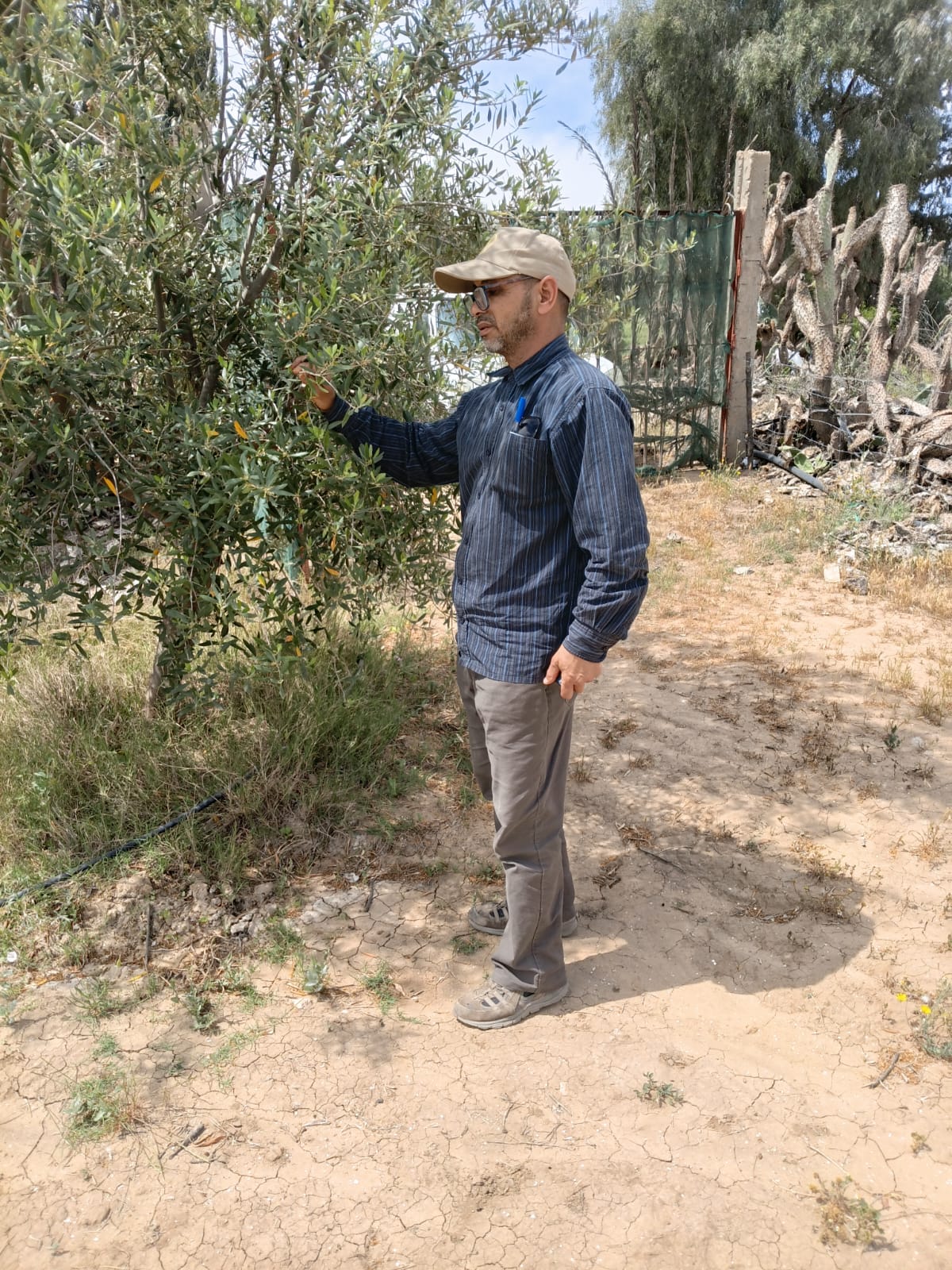
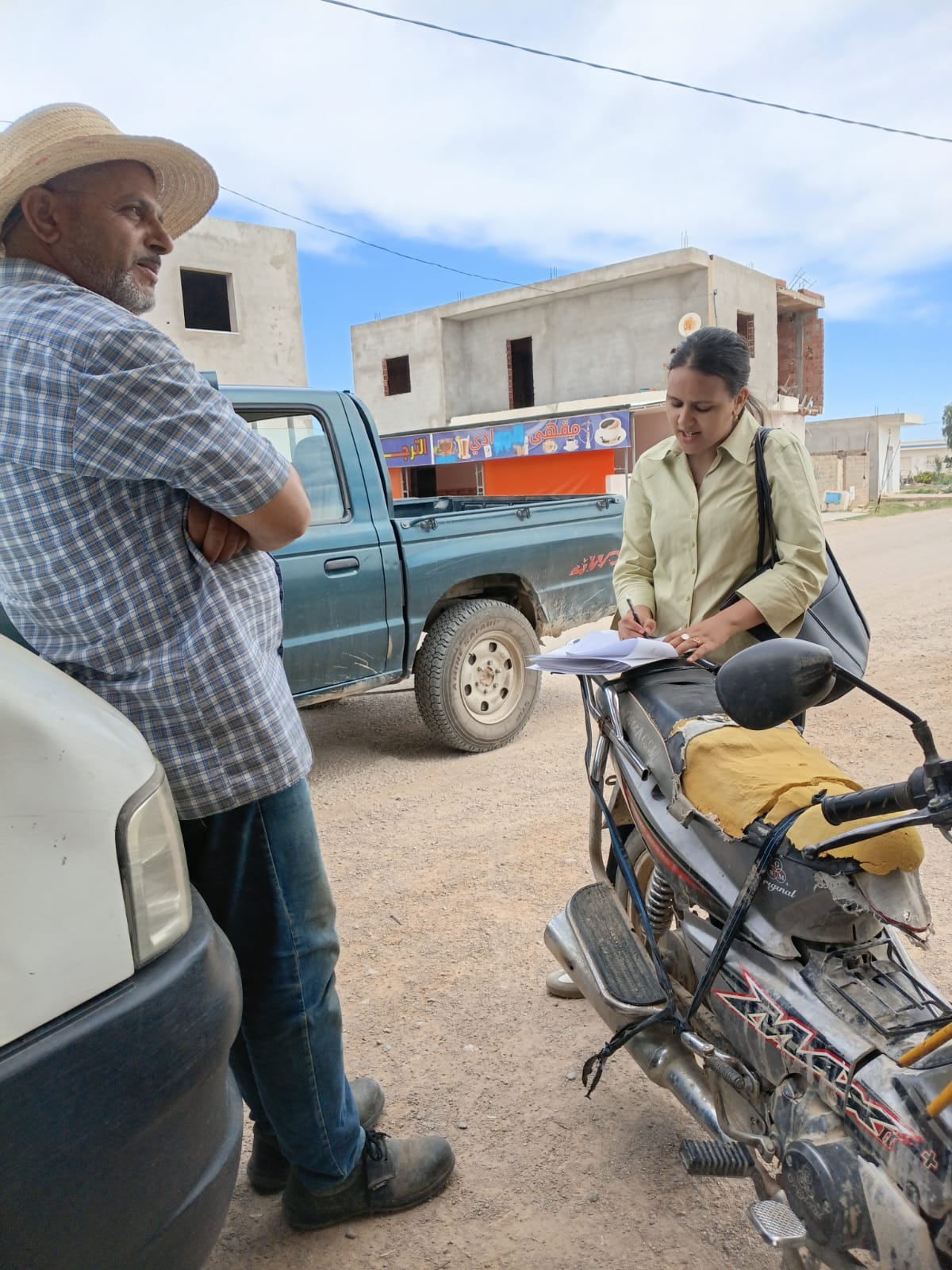
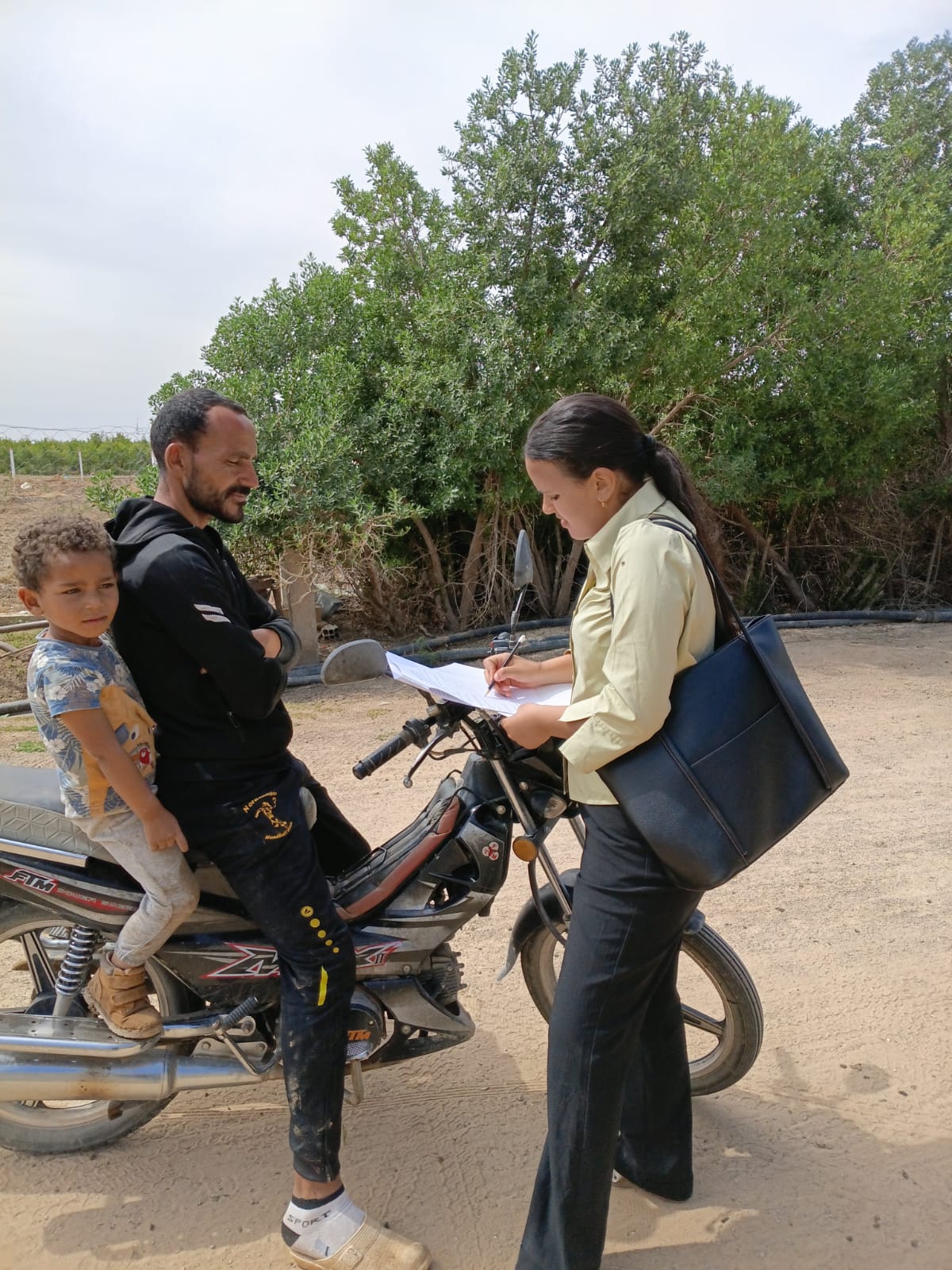
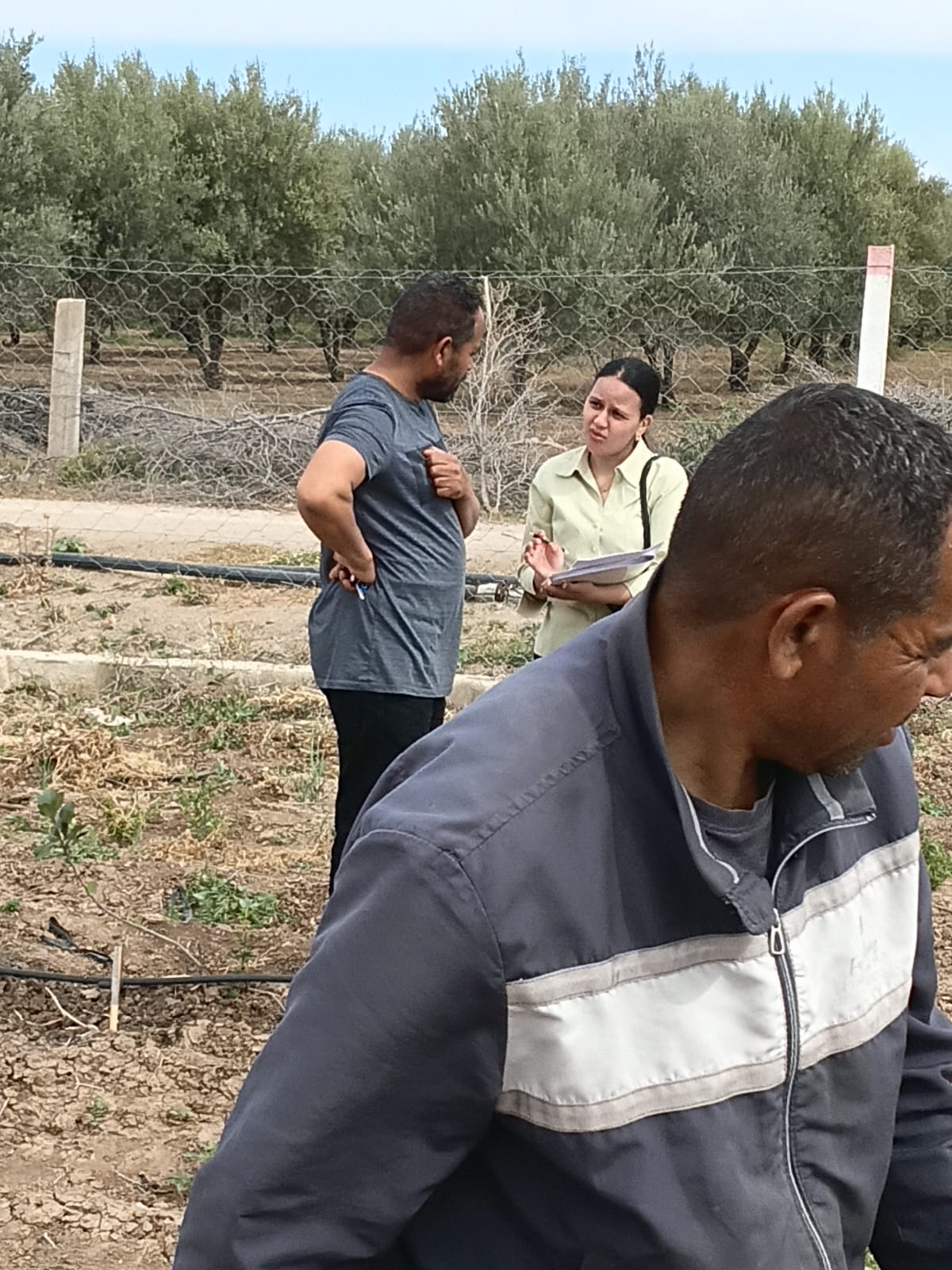
Interviews with farmers in the irrigated areas of the Chebika delegation (Kairouan, June 2026).
From the survey to a better understanding of adoption
The results of this survey, which feed into both the student’s research thesis and the work of the TWISTT-PRIMA project, show that farmers’ intention to adopt good agricultural practices is, on average, moderate.
This result will help the TWISTT-PRIMA project and its partners design support strategies and agricultural policies better suited to the realities of farmers in the Kairouan region. In particular, they highlight the importance of strengthening social and community information channels, and rethinking training programmes by building them together with farmers rather than imposing them.

Many thanks to the farmers of the Chebika delegation for their time and trust, as well as to INRAT and CRDA Kairouan for their support with this fieldwork.